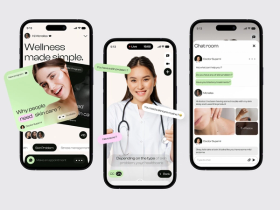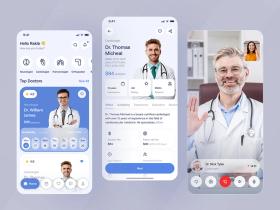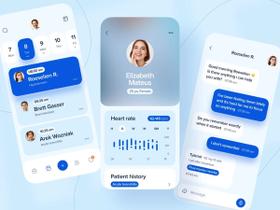


The healthcare industry is transforming digitally, and healthcare apps are at the forefront of this revolution. With the global digital health market projected to grow from $335.51 billion in 2024 to a staggering $1,080.21 billion by 2034 (according to Towards Healthcare report), the demand for innovative, user-centric healthcare applications is at an all-time high.
But let’s be honest: developing a healthcare app isn’t cheap. How much does healthcare app development cost? Will you need to compromise between quality and budget? Can you ensure compliance with regulations like HIPAA and GDPR without breaking the bank? If questions like these keep you up at night, you’re not alone.
Think developing a healthcare app always costs over $100,000? Think again. The real cost can start as low as $35,000 and typically ranges to $75,000 — far less than you might expect. Here’s the best part: with the right approach, you can create a high-quality, compliant app while staying within this budget. This article reveals insider strategies that helped our clients — Caspar Health and LifeBonus — build top-notch healthcare apps without draining their budgets.
Whether you're planning to launch a telemedicine platform, a remote patient monitoring app, or a medication reminder app, this guide will break down the key cost drivers and reveal how to optimize your investment without compromising quality or compliance.
Ready to uncover the true cost of building a game-changing healthcare app? Let’s get started!
⚖️ Key Factors Influencing Healthcare App Development Cost
Healthcare mobile app development is no small feat. It requires a blend of innovation, compliance, and technology. Understanding the factors influencing costs helps you allocate resources effectively and make informed decisions.
Let’s dive into the critical elements that shape the health app development cost.
Types of Applications
The type of application you choose determines the project’s complexity and cost. Whether it’s a mobile app, a web-based solution, or a hybrid approach, each option offers unique benefits and cost considerations.
Mobile Applications (iOS, Android)
Native mobile applications for iOS and Android deliver superior performance and a seamless user experience, but they require separate development efforts for each platform. For instance, platform-specific design, coding languages (Swift for iOS, Kotlin for Android), and testing lead to higher costs.
Advantages: Exceptional user experience and platform-specific optimizations.


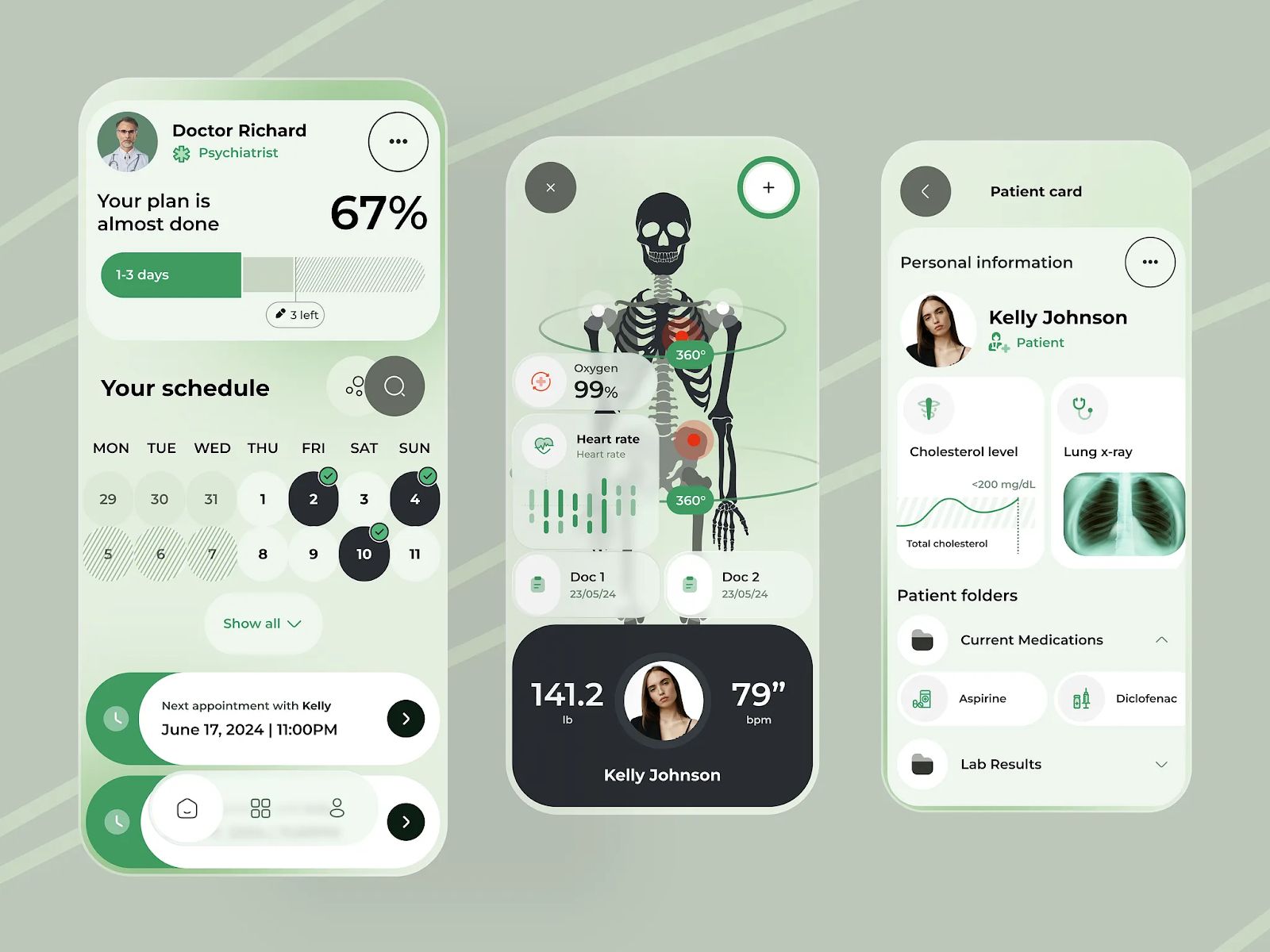
The cost of a healthcare app development depends on the type of platform and its complexity (image by Anastasia Golovko)
Web Applications
Web apps, accessible across devices via browsers, offer cost-effective solutions with a broader reach. They avoid app store submissions but may lack the responsiveness of native apps.
Advantages: Lower medical app development cost and limited accessibility across devices.
Cross-Platform Applications
Cross-platform apps combine elements of both web and native technologies, offering a balance of functionality and cost-efficiency. Using frameworks React Native, cross-platform apps can run on multiple platforms with a single codebase.
Advantages: Faster development and reduced costs compared to native apps.
Healthcare App Development Factor | Preparation Time (in hours) | Estimated Cost Range |
|---|---|---|
Native Development (iOS and Android) | 300–415 | $15,160–$20,840 |
Website App Development | 200–400 | $10,000–$20,000 |
Cross-Platform App Development | 60–100 | $3,000–$5,000 |
📌 You can read our article to find out an estimate software development time for more effective project management!
Scope of the Healthcare App
The scope, from a simple MVP to a fully-featured app, plays a pivotal role in determining the cost of developing a health app.
- Start Small with an MVP: Developing a Minimum Viable Product (MVP) is a strategic way to test core features, gather feedback, and refine the app.
- Complex Features Drive Costs: Advanced functionalities like real-time consultations, secure messaging, and EHR integrations add layers of complexity. You should add them when you have a significant user base and demand for new features.
Case Study: Caspar Health |
Caspar Health is a leading German digital rehabilitation company. As the demand for digital health solutions grows, they decided to add rehabilitation progress tracking to the app. The feature allows patients to view exercise plans, access videos, and track their steps. Today, the app has over 500,000 active patient accounts and a 4.7 rating on Google Play. |


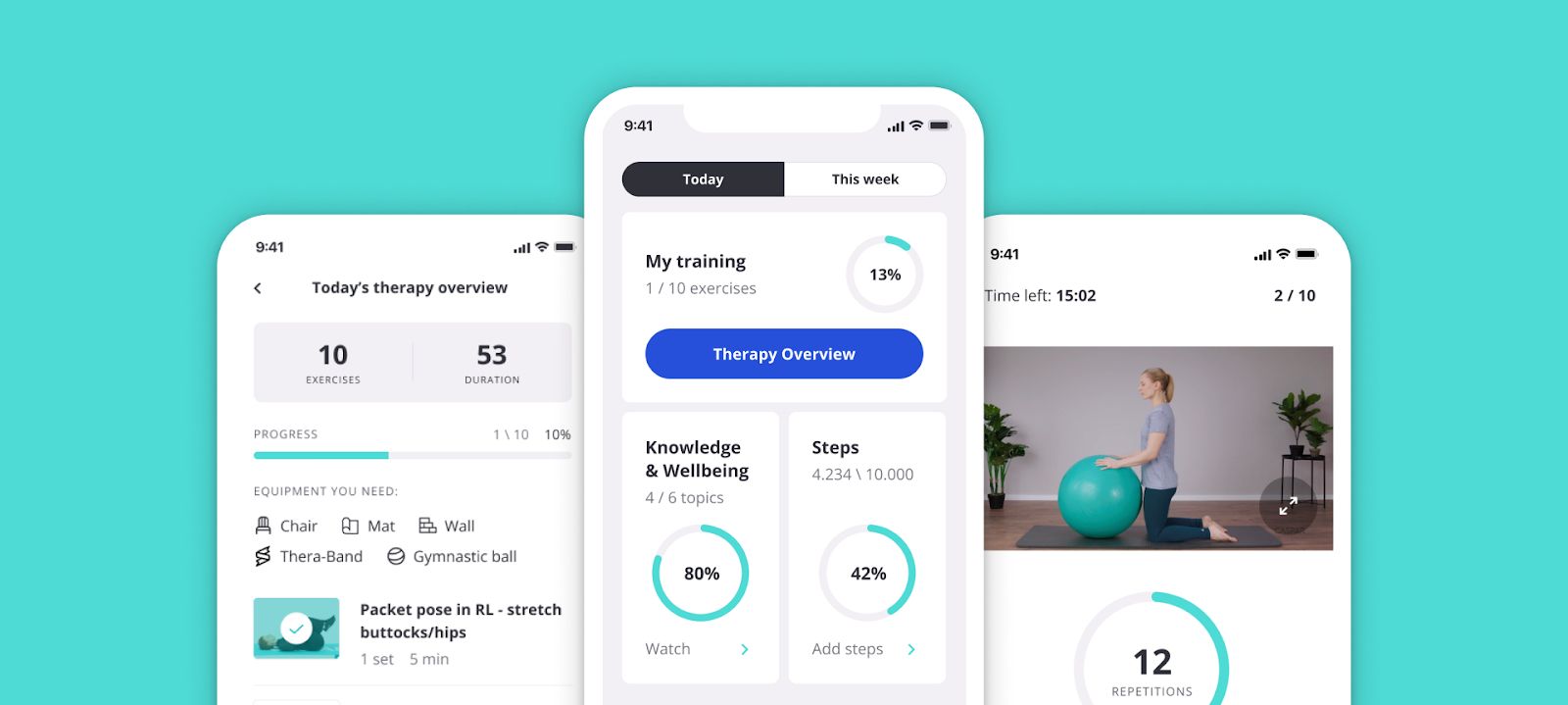
Caspar Health added rehabilitation progress tracking after gathering user feedback (image by Stormotion)
Healthcare App Development Factor | Development Time (in hours) | Estimated Cost Range |
|---|---|---|
MVP Features | 145–185 | $7,310–$9.300 |
Mid-range Healthcare App Features | 195–228 | $9,820–$11,380 |
Advanced Healthcare App Features | 455–625 | $22,730–$31,250 |
Integration with Wearable Devices
Wearables like smartwatches and fitness trackers provide real-time health data, such as heart rate monitoring and step tracking. According to the International Data Corporation (IDC) report, 156.5 million smartwatches were sold in 2024, and this number will grow to 175.2 million by 2028.
Still, you should manage complex APIs and Bluetooth in medical devices communication protocols. Integrating wearables into your app abosolutely improves its functionality but also increases the cost to build a healthcare app.
Advantages: Real-time health monitoring and personalized insights.
Healthcare App Development Factor | Development Time (in hours) | Estimated Cost Range |
|---|---|---|
Wearable Device Integration | 60–83 | $3,040–$4,170 |
📌 If you're considering IoT in healthcare applications, use cases in our article will give you deeper insights.
UI/UX Design Considerations
It goes without saying, that a healthcare app must be intuitive and accessible to engage users effectively.
Key Insights:
- WCAG focuses on accessibility for users with disabilities, ensuring inclusivity. Compliance widens your app's reach and aligns with legal requirements like the Americans with Disabilities Act (ADA).
- Investing in quality UI/UX reduces churn rates and enhances patient engagement.
Case Study: Caspar Health |
Caspar Health revamped its app with a design meeting international accessibility standards, ensuring inclusivity for users with disabilities. Our UI/UX designer used the Pilestone Color Blindness Simulator and Coolors’ Color Contrast Checker to test visual accessibility, enhancing the app's usability for a wide range of patients. |


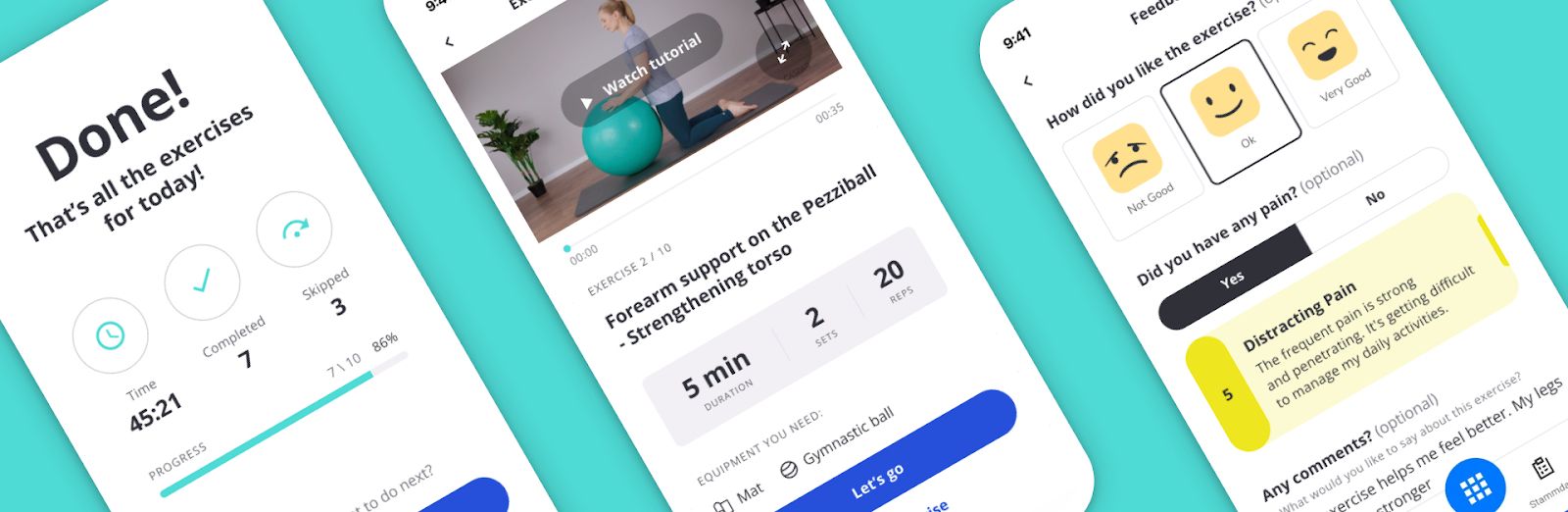
The Caspar Health app meets internal accessibility standards (image by Stormotion)
Healthcare App Development Factor | Development Time (in hours) | Estimated Cost Range |
|---|---|---|
UI/UX Design | 600–100 | $3,000–$5,000 |
Backend Infrastructure and Integrations
A robust backend infrastructure can increase the health app development cost. But you won’t be able to handle data processing, third-party integrations, and scalability without investing in the backend.
Key Insights:
- Advanced infrastructure enables seamless handling of high user loads.
- Reliable third-party service integration enhances functionality without overcomplicating the system.
Case Study: LifeBonus |
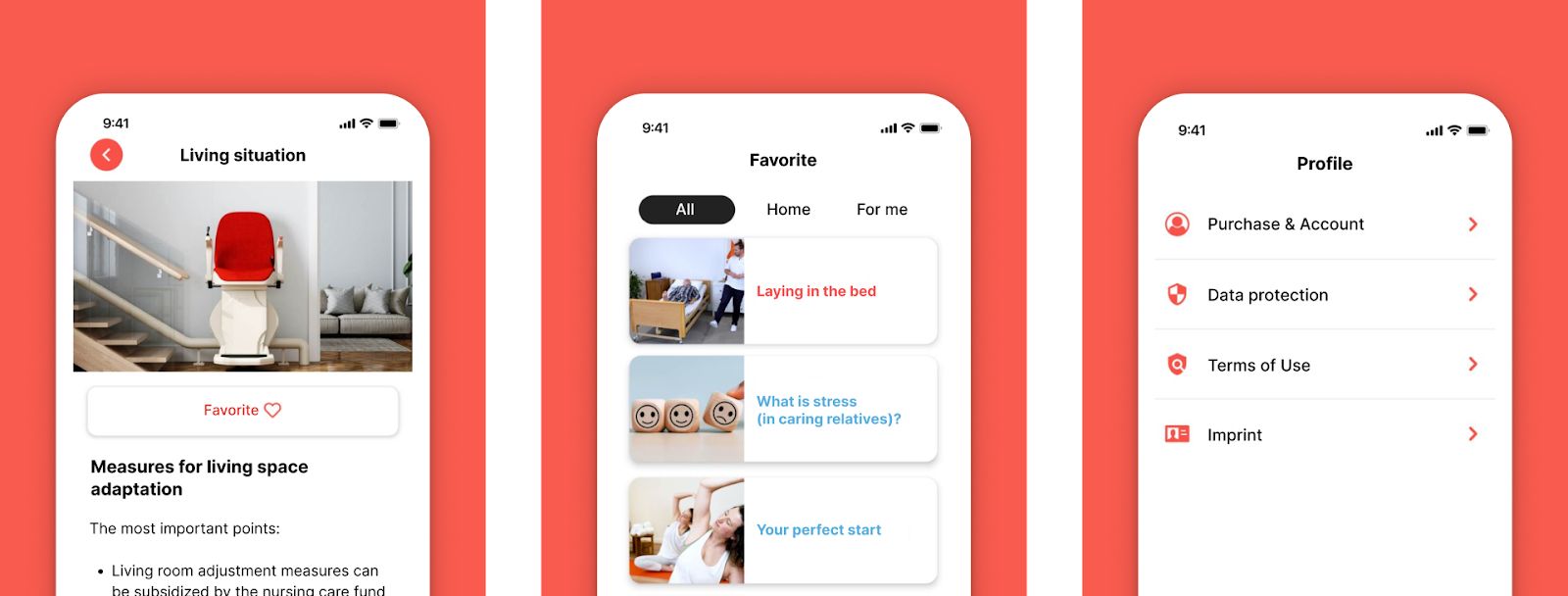
LifeBonus needed a mobile app to ease the strain on caregivers while ensuring quality care for the elderly. Our developers used AWS Lambda for scalable backend computing and Terraform for secure infrastructure management. These choices streamlined app performance while maintaining high scalability and reliability. |

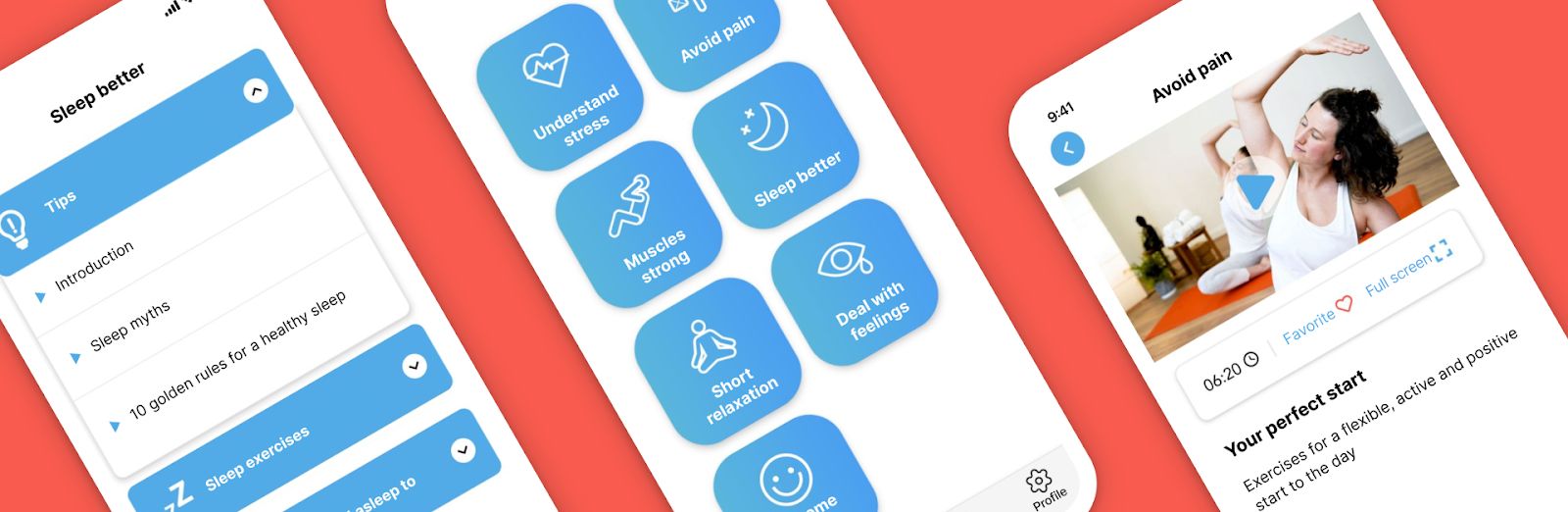
The LifeBonus app uses robust backend infrastructure to maintain high scalability (image by Stormotion)
Healthcare App Development Factor | Development Time (in hours) | Estimated Cost Range |
|---|---|---|
Backend Infrastructure | 272–375 | $13,640–$18,750 |
Compliance and Security Standards (HIPAA, GDPR)
Healthcare apps handle sensitive personal data, making compliance with industry regulations critical to safeguarding user information and building trust. According to Safetica, 95% of identity theft incidents originate from stolen healthcare records, which are valued at approximately 50 times more than credit card information.
The most widely recognized standards — HIPAA and GDPR — ensure data security and privacy while fostering user confidence in your app.
- HIPAA (Health Insurance Portability and Accountability Act) compliance protects patients' sensitive information, reduces legal liabilities, and ensures your app can legally operate within the US healthcare market.
- GDPR (General Data Protection Regulation) governs data protection and privacy for all individuals within the European Union (EU). GDPR ensures transparency in data usage and empowers users with control over their personal information.


Compliance isn’t just a checkbox — it’s the foundation of user trust. Investing in robust security measures upfront minimizes legal risks and fosters long-term credibility in the healthcare market.
Uliana Veretko, PM @ Stormotion
Key Insights:
- Avoids Legal Risks: You should add security compliance to your healthcare app development cost since non-compliance can lead to fines, lawsuits, and reputational damage.
- Enables Market Entry: Standards like HIPAA and GDPR are mandatory for operating in USA and EU, respectively, opening doors to larger markets and more opportunities.
Healthcare App Development Factor | Development Time (in hours) | Estimated Cost Range |
|---|---|---|
Compliance and Security Standards | 90–125 | $4,550–$6,250 |
Development Team Location and Expertise
The geographical location of your app development company significantly impacts the cost to build a healthcare app, as well as quality and project timelines. While countries like the US or Western Europe have long been considered go-to options, Eastern Europe has emerged as a strong contender for healthcare app development services.
By outsourcing to Eastern Europe, you can achieve substantial savings while maintaining high development standards, allowing you to allocate more budget toward critical features like security compliance or wearable integrations.
Healthcare App Development Factor | Estimated Hourly Rates |
|---|---|
US/Western Europe Development Team | $100–$150/hour |
Eastern EuropeDevelopment Team | $50–$75/hour |
Asia/Latin America Development Team | $30–$50/hour |
📌 Read our guide to learn how to choose freelancers or software development companies!
Partner with Stormotion to develop a compliant and scalable healthcare app — on time and budget.
Contact Us
Maintenance and Updates
Maintenance and updates are ongoing processes critical to the long-term success of any healthcare app. Unlike the software development phase, which has a clear endpoint, maintenance ensures your app remains functional, secure, and aligned with user expectations and regulatory standards.
Healthcare app development is a marathon, not a sprint. Planning for ongoing maintenance ensures your app evolves with user needs and stays ahead of regulatory changes.
Uliana Veretko, PM @ Stormotion
Key Insights:
- Plan Ahead: Add app maintenance fee to the medical app development cost to avoid unexpected expenses.
- Prioritize Security: Regularly update security protocols to protect sensitive data.
- Adopt Agile Practices: Agile methodologies facilitate continuous improvement by incorporating updates and feedback incrementally.
- Monitor User Feedback: Listening to your users ensures updates address real-world pain points and improve user satisfaction.
Healthcare App Development Factor | Development Time (in hours, yearly) | Estimated Cost Range |
|---|---|---|
Maintenance and Updates | 470–600 | ~33% of the initial budget per year |
On average, the cost of creating healthcare software ranges from $35,000 to $75,000. It’s shaped by factors like app type, scope, infrastructure, and compliance. High-quality UI/UX, seamless wearable integration, and robust backend systems are essential investments.
If you consider these factors and leverage cost-effective development strategies, like hiring talent in competitive regions, you can maximize your app’s value and ROI while staying within budget.
🏥 Types of Healthcare Apps and Their Typical Costs
Healthcare apps serve diverse purposes, from streamlining doctor-patient communication to enhancing medication adherence and promoting mental wellness. Understanding the specific goals of each app type can help you align development priorities with business objectives and user needs.
How much does it cost to develop a healthcare app based on the type? Our Project Manager, Uliana Veretko, will help us answer this question.
Telemedicine Apps
Telemedicine apps are platforms that enable remote communication between patients and healthcare providers. They are particularly valuable for increasing access to healthcare in remote areas, reducing patient travel times, and addressing urgent medical concerns.

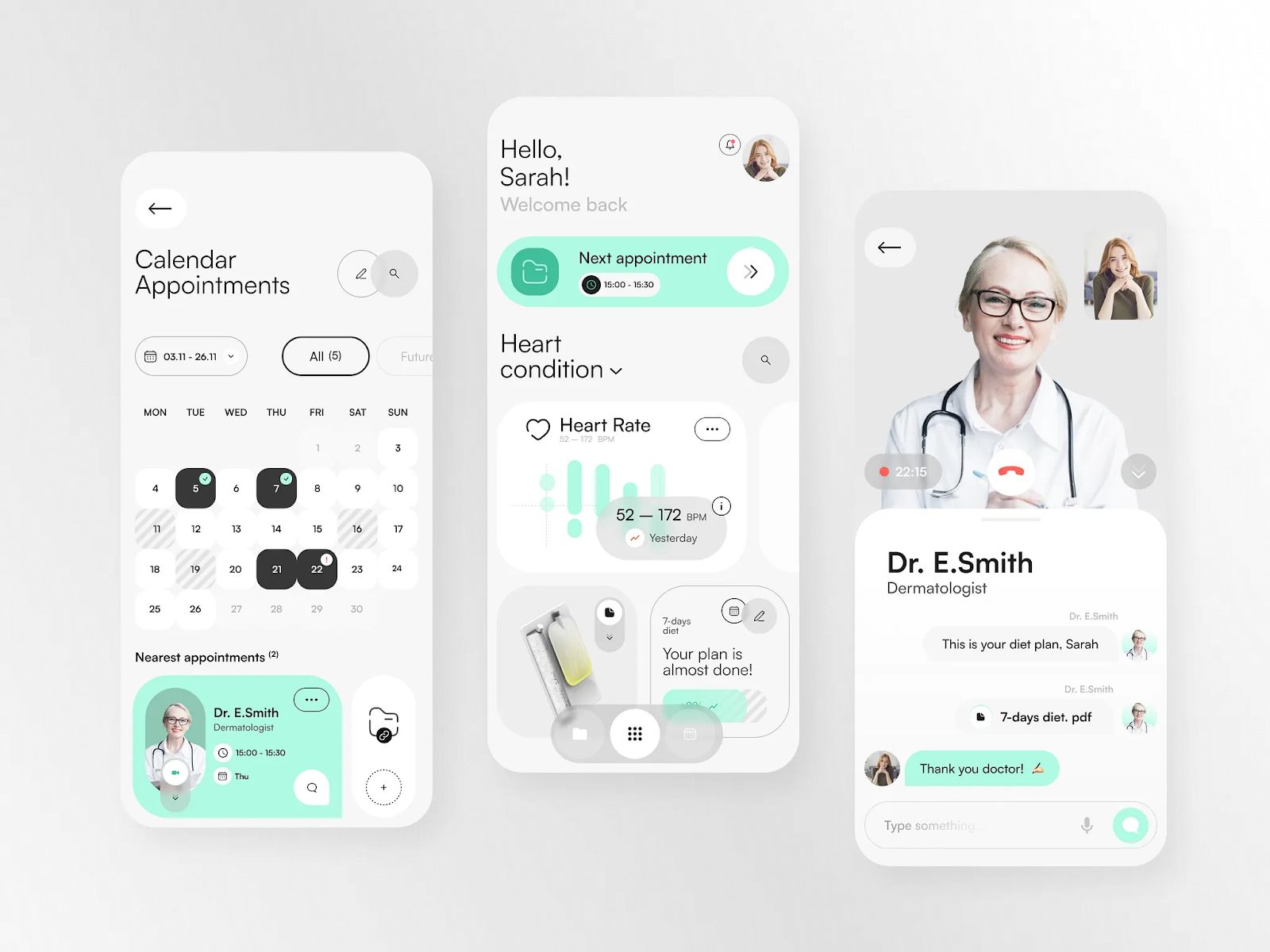
Telemedicine apps enable patients to book appointments and receive virtual consultations (image by Sam Halpert)
Key Features:
- Video and voice consultation.
- Patient-doctor chat functionality.
- Appointment scheduling and reminders.
- Payment integration.
- Prescription management.
App Type | Development Time (in hours) | Estimated Cost Range |
|---|---|---|
Telemedicine App | 800–1,140 | $40,000–$57,000 |
Examples: Teladoc, Amwell
📌 Learn more about doctor appointment app development in our guide!
Electronic Health Records (EHR)
Electronic Health Records (EHR) apps digitize and centralize patient health records, making it easier for healthcare providers to access, update, and share patient information securely. Such management apps streamline workflows for hospitals, clinics, and private practices by integrating health insurance, medical records, test results, and treatment plans.
EHRs improve care coordination, reduce paperwork, and help providers make informed decisions based on comprehensive patient data.
Key features that impact the cost of developing a health app:
- Patient profile management.
- Data synchronization across devices.
- Integration with hospital systems and medical insurance providers.
- HIPAA-compliant data storage.
App Type | Development Time (in hours) | Estimated Cost Range |
|---|---|---|
EHR App | 1,000–1,500 | $50,000–$75,000 |
Examples: Epic Systems, Cerner
Remote Patient Monitoring Apps
Remote patient monitoring (RPM) apps enable healthcare providers to track patients’ health data in real time, often using wearable devices or connected sensors. These apps are crucial for managing chronic conditions, post-operative care, or high-risk patients.
By collecting and transmitting health metrics such as heart rate, glucose levels, and oxygen saturation, RPM apps allow for proactive interventions and improved patient outcomes.

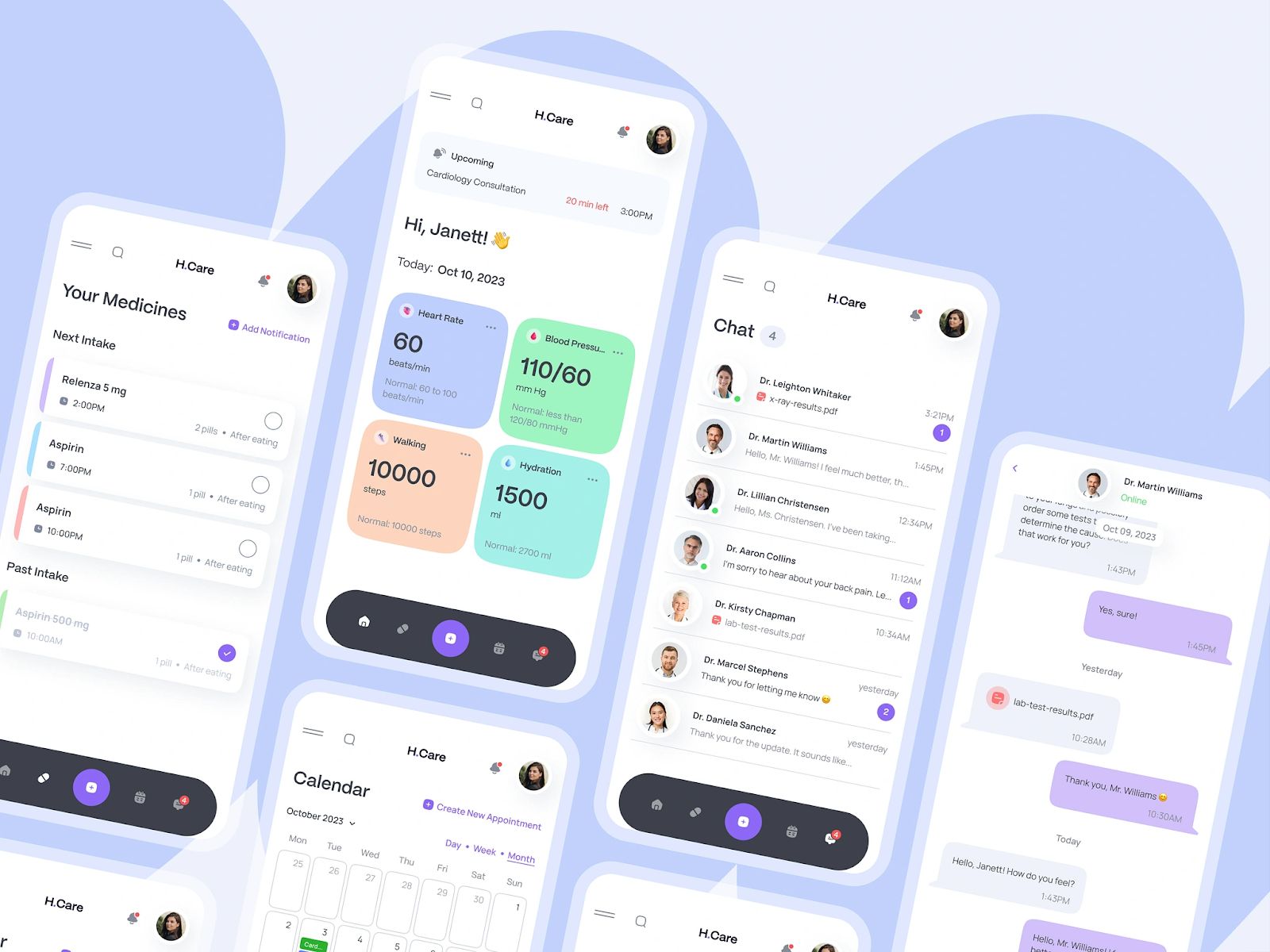
Remote patient monitoring apps can collect health data in real-time and transmit it to doctors (image by Anna Kapustina)
Key Features:
- Integration with wearable devices.
- Real-time data collection and analysis.
- Alerts for abnormal readings.
- Secure communication between patients and doctors.
App Type | Development Time (in hours) | Estimated Cost Range |
|---|---|---|
Remote Patient Monitoring (RPM) Apps | 900–1,400 | $45,000–$70,000 |
Examples: CareSimple, Health Recovery Solutions
Medical Networking Apps
Medical networking apps serve as professional platforms for healthcare providers, enabling them to connect, collaborate, and share knowledge. These apps facilitate secure communication, case discussions, and access to research and medical advancements. They also support professional growth by providing opportunities for networking, mentoring, and continuing education.
Key Features:
- Secure messaging and group discussions.
- Case sharing with patient data anonymization.
- Access to medical research and journals.
- Professional networking and mentorship tools.
- Webinars, forums, and continuing education resources.
App Type | Development Time (in hours) | Estimated Cost Range |
|---|---|---|
Medical Networking Apps | 800–1,200 | $40,000–$60,000 |
Examples: Doximity, Sermo
Medication Reminder Apps
Medication reminder apps assist patients in managing their prescriptions by providing timely reminders to take medications, track doses, and schedule refills. These apps help reduce missed doses and improve adherence to treatment plans, especially for patients managing chronic conditions or complex medication regimens.


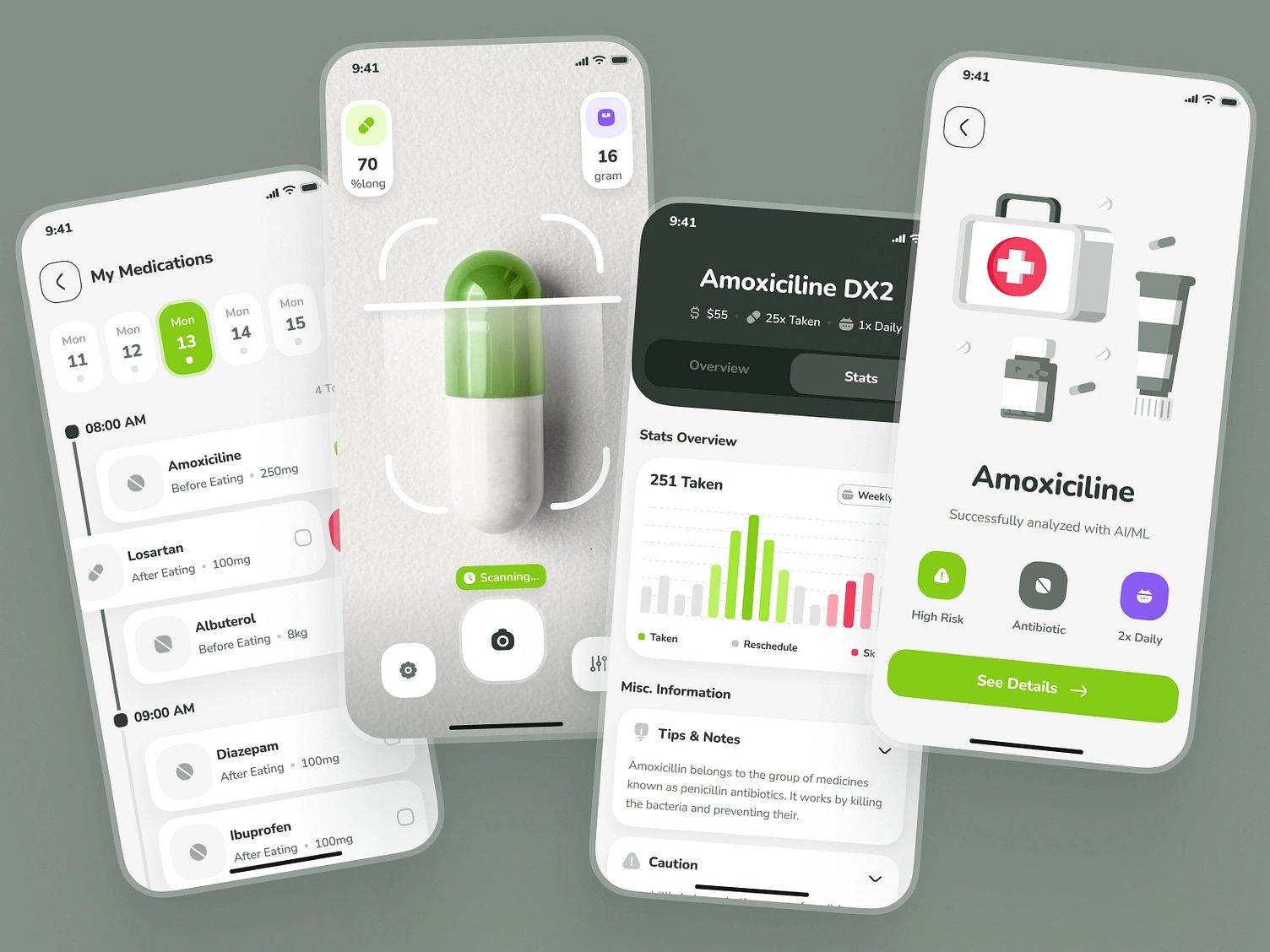
Medication reminder apps assist users in managing their prescriptions, tracking doses, and scheduling reminders (image by strangehelix.bio)
Key functionalities that influence health app development cost:
- Customizable reminders.
- Medication tracking.
- Integration with pharmacies for refills.
- User-friendly dashboards.
App Type | Development Time (in hours) | Estimated Cost Range |
|---|---|---|
Medication Reminder Apps | 700–800 | $30,000–$40,000 |
Examples: Medisafe, MyTherapy
Mental Health Apps
Mental health apps provide tools and resources to help users manage stress, anxiety, depression, and other mental health concerns. They are particularly beneficial in reducing the stigma around mental health and reaching underserved populations.
Key Features:
- Mood tracking.
- Guided meditation and mindfulness exercises.
- Virtual therapy sessions.
- Secure journaling tools.
App Type | Development Time (in hours) | Estimated Cost Range |
|---|---|---|
Mental Health Apps | 750–900 | $37,500–$45,000 |
Examples: BetterHelp, Calm
📌 If you’d like to know how to create a mental health app, you can read our comprehensive guide!
Women’s Health Apps
Women’s health apps focus on supporting women’s reproductive health, wellness, and fitness. These apps track menstrual cycles, monitor pregnancy progress, assist with fertility planning, and provide healthcare services tailored to women’s unique needs. They empower women to take control of their health by providing personalized data and actionable recommendations.
Key features that may impact medical app development cost:
- Menstrual cycle tracking.
- Pregnancy progress monitoring.
- Fertility planning tools.
- Wellness tips and insights.
App Type | Development Time (in hours) | Estimated Cost Range |
|---|---|---|
Women’s Health Apps | 700–850 | $35,000–$42,500 |
Examples: Flo, Clue
Fitness and Wellness Apps
Fitness apps help users achieve their health and fitness goals, such as weight loss, muscle gain, or general wellness. They cater to a wide audience, from gym enthusiasts to beginners, and significantly promote preventive healthcare and healthy lifestyles.
Key Features:
- Activity and workout tracking.
- Personalized workout and meal plans.
- Integration with wearable devices.
- Social sharing and gamification to encourage engagement.
- Progress tracking and analytics.
App Type | Development Time (in hours) | Estimated Cost Range |
|---|---|---|
Fitness Apps | 760-1,500 | $38,150–$75,250 |
Examples: MyFitnessPal, Fitbit, Strava
📌 Read our guide on fitness app development cost to learn more details. We also have an article where we break down the Fitbit-like app development cost.
The healthcare app market is diverse, addressing specific user needs across various domains. By understanding the purpose, features, and costs of these types of healthcare apps, you can make informed decisions to align your goals and budget effectively, ensuring a positive impact on both users and the healthcare system.
📉 How to Reduce Healthcare App Development Costs
Developing a healthcare app can be a significant investment, and the pressure to balance quality, functionality, and budget is high. However, there are several strategies to help healthcare organizations manage the cost to build a healthcare app without compromising on the quality or performance of the final product.
Choose Cross-Platform Development
Opting for cross-platform development services allows you to build an app that works on both iOS and Android using a single codebase. By choosing frameworks like React Native, organizations can streamline their development process and avoid duplicate efforts while reaching a broader audience.

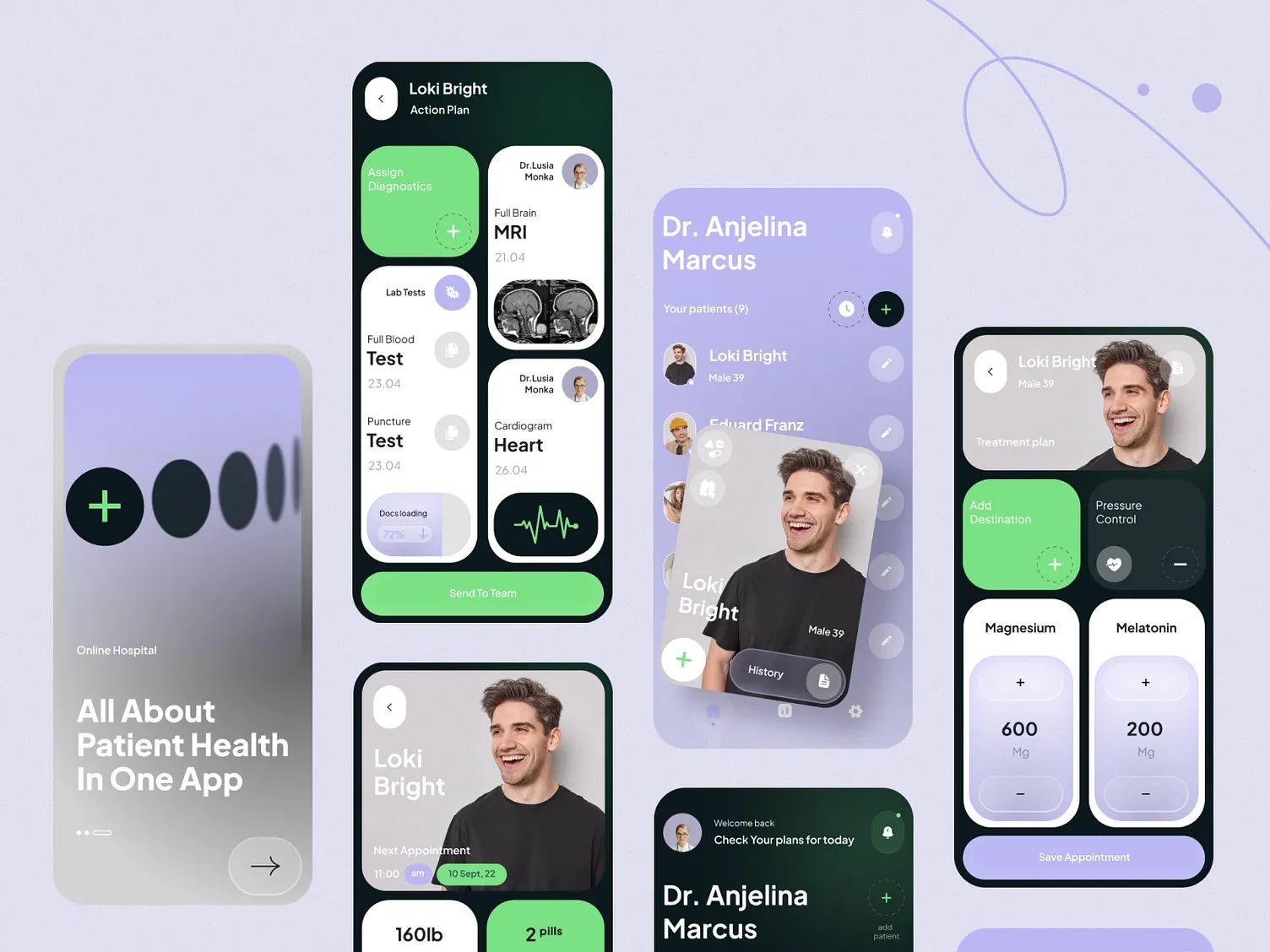
A healthcare app should include patients' health data to reduce doctors' workload (image by Anastasia Golovko)
This approach can reduce development time and costs by up to 30-40% compared to creating separate native apps for each platform.
Start with an MVP
Advocating for an MVP is one of the most cost-effective approaches in healthcare app development. By initially focusing only on core features, you can quickly test assumptions, gather real user feedback, and prioritize improvements. This allows businesses to test the market before committing to large-scale development.
Starting with an MVP not only saves costs but also allows you to align the product with user needs based on real-world feedback. It’s the smartest way to validate your concept without overcommitting resources.
Uliana Veretko, PM @ Stormotion
Building an MVP can reduce healthcare app development cost by up to 30%, especially since it helps avoid unnecessary features that may not be valued by users.
Define the Right Technology Stack
Choosing the right technology stack is crucial in balancing performance with cost-effectiveness. Below are examples of technologies that our development team uses in healthcare app development that offer both efficiency and security:
- React Native: This cross-platform framework allows you to build both iOS and Android apps using a single codebase, cutting the time and cost of developing a health app. They are particularly effective for healthcare apps that require quick, seamless updates across platforms.
- Node.js / Express.js: Node.js is a powerful, lightweight, and scalable JavaScript runtime for handling multiple, concurrent requests. Paired with Express.js, it allows you to build efficient and scalable back-end systems for healthcare apps.
- PostgreSQL: Known for its reliability and performance, PostgreSQL is an excellent open-source relational database that is also capable of handling large, complex healthcare datasets.
- AWS (Amazon Web Services): Offers scalable and secure cloud solutions for healthcare apps, ensuring high availability, security, and compliance (e.g., HIPAA).
- Twilio: For integrating messaging or video calling features within a healthcare app, such as telemedicine services, Twilio provides an easy-to-use API for real-time communication.
In fact, carefully selecting technologies based on the specific needs of your healthcare app can reduce long-term maintenance costs by up to 20-30%.
Reuse Existing Components and Libraries
Reusing existing components and libraries can significantly reduce medical app development cost and time.
- Authentication can be simplified with platforms like Auth0, which provides secure login solutions.
- For healthcare-specific needs, libraries such as FHIR.js help integrate medical standards, while SimpleDB offers ready-made solutions for managing patient data.
- Tools like Firebase Analytics and the Google Fit API allow for easy integration of analytics and health data, saving time and resources.
Reusing components can cut down development time by up to 25%, allowing your team to focus on building unique aspects of your app without reinventing the wheel.
Adopt Agile Development Practices
You can adopt Agile methodologies (Scrum, Lean, or Kanban) for continuous improvement through iterative sprints. With regular testing and feedback, agile practices enable the development team to address issues and change priorities quickly, minimizing costly mistakes or missteps.
Agile development empowers us to deliver features incrementally, enabling quick pivots and reduced wastage, ultimately optimizing both time and costs.
Uliana Veretko, PM @ Stormotion
Based on our experience, the Agile approach can reduce the cost to build a healthcare app by 15-20%.
Optimize Integration with Wearables and Third-Party Services
Popular wearables like Fitbit and Apple Watch offer easy-to-integrate SDKs and APIs, enabling you to sync health data such as heart rate, steps, sleep patterns, and more. Additionally, third-party services like Google Fit and Apple HealthKit provide access to a wide range of health data from multiple devices, making it simpler to aggregate and analyze patient information. You can also leverage BLE technology for seamless communication between your app and wearables.

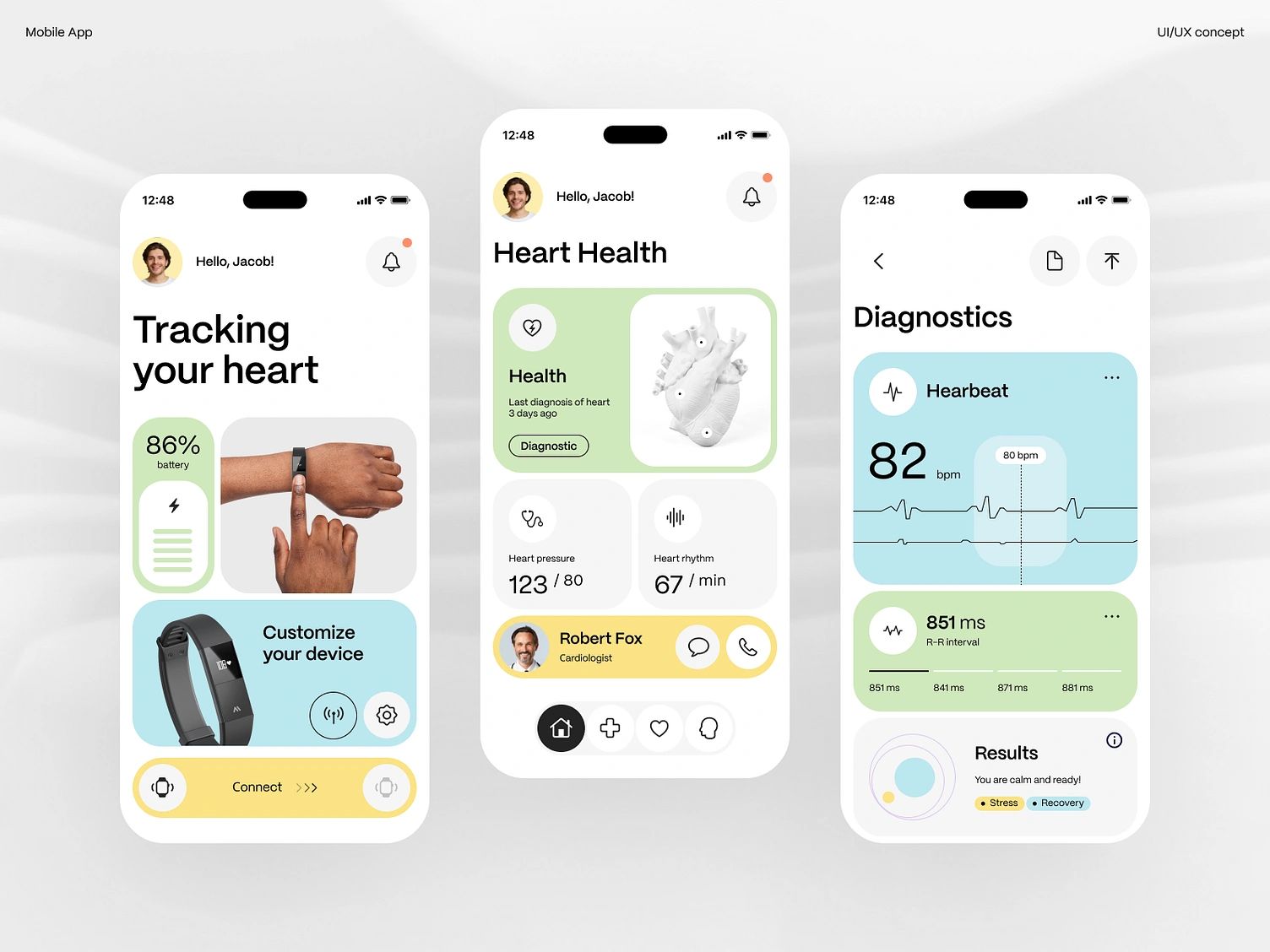
Fitness trackers can be integrated into healthcare apps to monitor patients' vitals (image by Awsmd)
Streamlining integrations can save up to 20% in health app development cost while ensuring smooth, secure, and compliant data sharing.
Employ Continuous Optimization and Refinement
The development process doesn’t end after the app is launched. Continuous optimization is key to ensuring the app remains efficient, secure, and relevant to users. Regular updates, bug fixes, and performance improvements can be more affordable when done incrementally, rather than in large, infrequent updates.
Want to optimize your budget without compromising quality? Let us help you turn your healthcare app idea into reality!
Contact Us
When you continuously refine the app, you can cut down long-term costs by 10-15%, avoiding expensive overhauls and maintaining a high-quality user experience.
Reducing healthcare app development cost doesn’t mean compromising on quality or functionality. These strategies can significantly reduce development costs, making it easier to bring your healthcare app to market without exceeding your budget.
📊 Key Trends in Healthcare App Development
The healthcare app development landscape is evolving rapidly, driven by technological advancements and the growing demand for personalized, efficient care. This includes baby monitoring app development, which increasingly integrates AI, IoT, and mobile-first approaches to enhance child safety and parental convenience.
From Artificial Intelligence (AI) to wearable technology, these trends are reshaping how care is delivered and experienced. Here are the key trends transforming the sector.
The Role of Artificial Intelligence and Machine Learning in Healthcare Apps
AI and Machine Learning (ML) are transforming healthcare apps by enabling predictive analytics, personalized treatment, and smarter decision-making. Generative AI is being used to analyze large datasets for early diagnosis, while ML allows apps to learn from user interactions and continuously improve over time.


Artificial intelligence has the possibility to transform diagnosis, treatment, and patient care. AI will help clinicians make quicker, more precise decisions, enable more direct interactions with patients, enhance communication and provide personalized care.
Ronald Rodriguez, MD, PhD, professor of medical education at UT Health San Antonio
Such functionality significantly increases the cost of developing a health app and you should incorporate it when you have a growing user base and stable ROI.
Case Study: LifeBonus |
In the LifeBonus case, we leveraged AI and ML to enhance the app’s exercise tracking and caregiver support features. Using ML Kit, we integrated advanced algorithms to analyze users' body movements during exercises. The app evaluates ten different exercises through the smartphone's camera, providing real-time feedback to ensure accurate execution. This allows caregivers to receive precise assessments of each movement's effectiveness, improving the quality of care and patient outcomes. |


The LifeBonus app leverages AI and ML technologies to help users analyze their body movements during exercises (image by Stormotion)
Telemedicine and Digital Health Transformation
The rise of telemedicine has revolutionized healthcare by enabling virtual consultations, breaking down geographical barriers, and improving care access. Digital transformations, such as video conferencing, secure data exchange, and remote diagnostics, make telemedicine a cost-effective and convenient solution, positioning it as a cornerstone of modern healthcare.
Wearable Devices and Their Integration
We’ve said a lot about wearables, but they have become an inseparable part of modern life, making it impossible to ignore this fact. Let’s emphasize this point once more: although integrating wearables may increase medical app development cost, it significantly enhances patient engagement and enables more effective, data-driven healthcare solutions.
The Future of Healthcare Mobile Applications
Looking ahead, the future of healthcare mobile applications will be shaped by emerging technologies such as 5G connectivity, Blockchain, and Augmented Reality (AR).
- 5G will enable faster and more reliable data transfer, supporting real-time remote monitoring and consultations.
- Blockchain offers the potential to securely store and share patient data, ensuring transparency and improving data privacy.
- AR could transform how healthcare professionals conduct procedures and provide training, offering interactive experiences for both patients and providers.
These innovations will continue to improve the way care is delivered, making healthcare apps even more essential in the future. By staying ahead of these trends, you can remain competitive and deliver better, more efficient care to patients.
💰 Healthcare App Development Cost: Summary and Next Steps
This section answers the question: how much does it cost to develop a healthcare app? It also recaps typical expenses and provides actionable advice for businesses looking to invest in healthcare app development.
Key Factors Influencing Costs: Summary
Here's a quick overview of factors that impact the cost of healthcare app development.
Factor | Description | Impact on Cost |
|---|---|---|
App Type | Mobile app, web app, or cross-platform app development | Varies significantly by app type; cross-platform development is more cost-effective |
Features and Complexity | Basic features for MVP development. Advanced features like real-time consultations, EHR integration, or AI tools for future updates. | Increases cost with added complexity |
Integration with Wearables | Compatibility with devices using BLE protocols and API/SDK integrations | Adds complexity and cost |
UI/UX Design | Intuitive and accessible interfaces | Higher costs for advanced, accessible designs |
Backend Infrastructure | Data storage, user authentication, and third-party integrations | Significant cost for robust systems |
Compliance and Security Standards | Adherence to HIPAA, GDPR, and WCAG standards | Adds costs due to legal and technical requirements |
Development Team Location | US/Western Europe vs. Asia/Latin America vs. Eastern Europe | Eastern Europe offers high quality at lower rates |
Maintenance and Updates | Ongoing updates for compliance, security, and new features | ~33% of initial development cost annually |
📌 It’s the main factors that can impact the cost of creating a healthcare app. If you want to build a more sophisticated app, you should also consider other factors such as scalability, custom analytics, and localization.
Typical Costs for Different Types of Healthcare Apps: Summary
Here’s a recap of the average health app development cost for popular categories:
App Type | Development Time (in hours) | Estimated Cost Range | Key Features |
|---|---|---|---|
Telemedicine Apps | 800–1,140 | $40,000–$57,000 | Video calls, chat, scheduling, prescriptions |
Electronic Health Records (EHR) Apps | 1,000–1,500 | $50,000–$75,000 | Patient data management, hospital system integration |
Remote Patient Monitoring (RPM) Apps | 900–1,400 | $45,000–$70,000 | Wearable integration, real-time data tracking |
Medical Networking Apps | 800–1,200 | $40,000–$60,000 | Group discussions, case sharing, medical research, and journals |
Medication Reminder Apps | 700–800 | $30,000–$40,000 | Dose reminders, refill scheduling, tracking tools |
Mental Health Apps | 750–900 | $37,500–$45,000 | Mood tracking, virtual therapy, guided exercises |
Women’s Health Apps | 700–850 | $35,000–$42,500 | Cycle tracking, pregnancy monitoring, fertility planning |
Fitness Apps | 760-1,500 | $38,150–$75,250 | Activity tracking, basic progress reports, wearable integration |
if your project focuses on elderly care app development, you should expect a similar or slightly higher cost range.
📌 Our Project Manager, Uliana Veretko, emphasizes that these are estimated costs and that the final cost depends on your app's type and functionality.
Guidance for Businesses
Building a healthcare app requires careful planning, strategic budgeting, and a focus on quality and compliance. Here are actionable steps to guide your development process:
1. Define Clear Objectives
- Identify the problem your app aims to solve and the specific audience it serves.
- Focus on high-impact features to avoid overcomplicating the initial build.
2. Start with an MVP
- Develop an MVP to validate your concept with core features.
- Gather feedback to guide future updates and iterations, minimizing wasteful spending.
3. Choose the Right Healthcare App Development Company
- Evaluate tech partners based on their experience in healthcare and compliance expertise.
- Consider outsourcing to Eastern Europe for a cost-effective balance of quality and affordability.
4. Allocate Budget for Compliance
- Prioritize investments in meeting regulations like HIPAA and GDPR.
- Factor in additional costs for security protocols and accessibility standards.
5. Invest in Scalable Infrastructure
- Build a backend system that can handle increased user loads and future integrations.
- Use cloud-based solutions like AWS or Google Cloud to ensure scalability.
6. Plan for Maintenance
- Reserve ~33% of the initial medical app development cost for annual updates, bug fixes, and compliance adjustments.
- Regularly monitor user feedback to identify and prioritize improvements.**
7. Leverage Agile Development
- Use agile methodologies to maintain flexibility and adapt to changes in requirements or market trends.
- Focus on iterative releases to deliver value incrementally while controlling costs.
💡 Takeaways
How much does it cost to develop a healthcare app? The cost typically ranges from $35,000 to $75,000 depending on the app’s type and its functionality.
Developing a healthcare app is a complex but rewarding investment. By understanding the factors influencing the cost and aligning your goals with the right strategies — such as starting with an MVP, focusing on compliance, and choosing the right development company — you can create a successful app that delivers value to users while staying within budget.
Careful planning and a long-term maintenance strategy will ensure your app remains competitive and impactful in the evolving healthcare landscape.
Ready to take control of your healthcare app development cost and create a game-changing solution? Contact us today and let’s start building your innovative healthcare app!

![Stormotion client Pietro Saccomani, Founder from [object Object]](/static/40e913b6c17071a400d1a1c693a17319/1b3aa/pietro.webp)