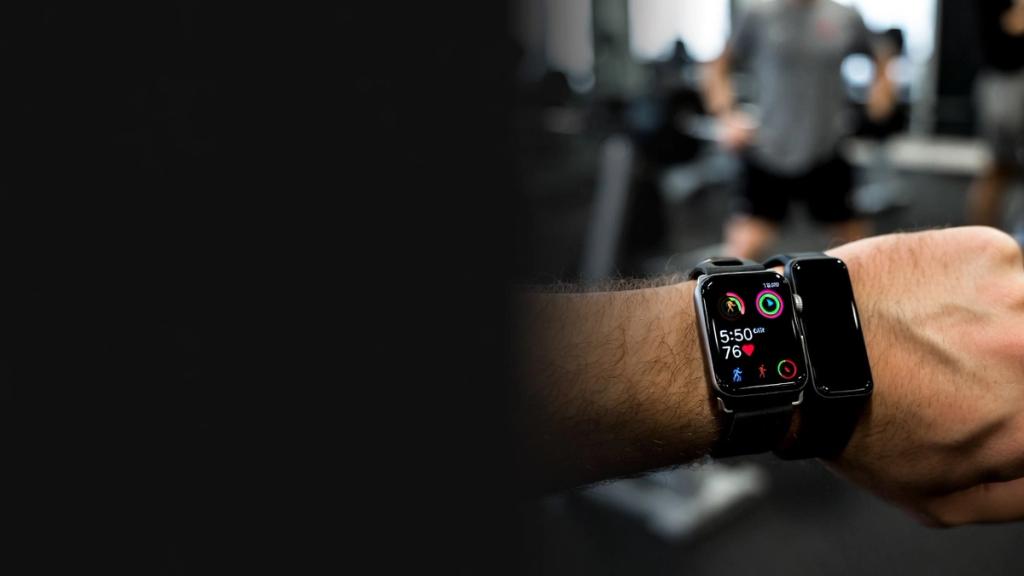
Wearable Integration for Fitness and Wellbeing Apps
We connect Apple Watch, Wear OS and other wearables to your fitness apps – turning them into accurate workout sensors that deliver rich metrics, advanced analytics, and new features.
Contact us
When Wearable Integration Is the Right Solution
1
You’re launching a wearable-connected product
You’re building a new fitness device or app and want to deliver a complete ecosystem from day one – with reliable data from Apple Watch, Wear OS, or third-party trackers.
2
Your existing wearable sync is unreliable
Heart rate drops during workouts, data appears with delays, or sessions get lost. You need battle-tested integration that works consistently even when the screen goes dark or the internet lags.
3
You want to turn passive data into valuable product features
We help you transform heart rate, workout sessions, and health metrics into core features that increase user engagement and set you apart from competitors.
4
You’re scaling across more devices, platforms, or user flows
You need to support multiple wearables, sync data across mobile, web, and console, or expand from phone-only to a multi-device experience – without compromising performance or user experience.
Our Wearable Integration Services
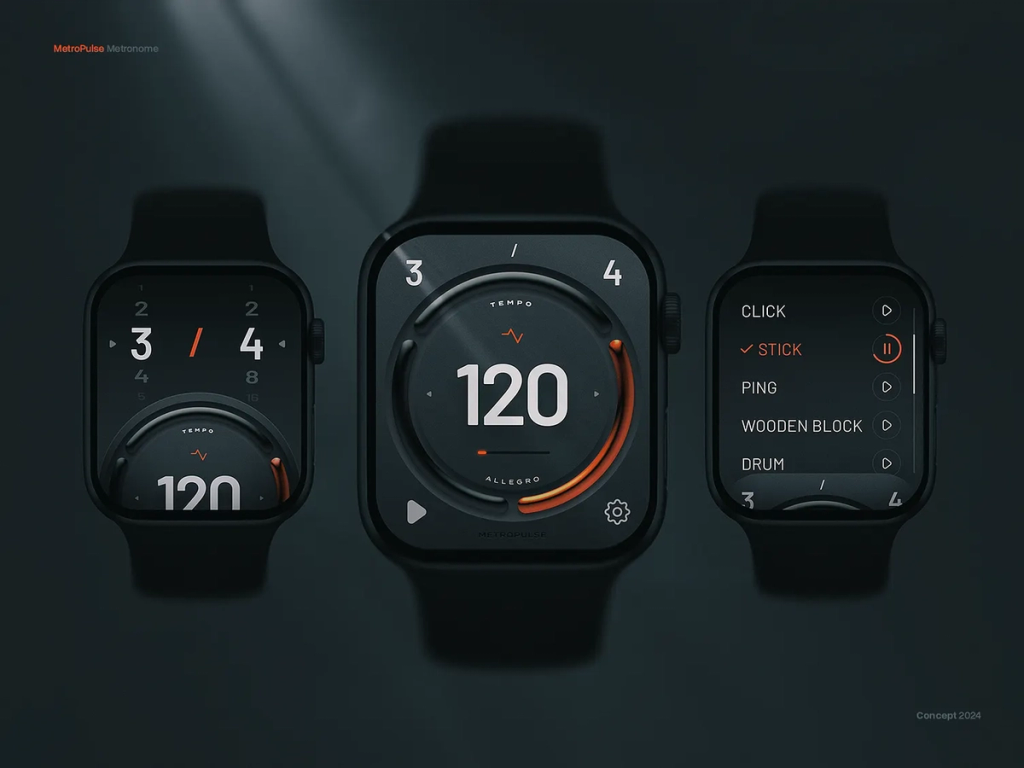
image by Mik Skuza
Wearables Architecture & Integration Planning
We build the technical foundation for your wearable integration, taking into account all platform limitations and real workout scenarios. This planning stage helps avoid expensive fixes later and ensures everything works reliably when users are actually training.
Mapping main workout flows and edge cases
Planning background execution, login logic, and push notifications
Choosing the right connection approach – cloud sync or Bluetooth
Spotting Apple Watch limitations and battery issues early
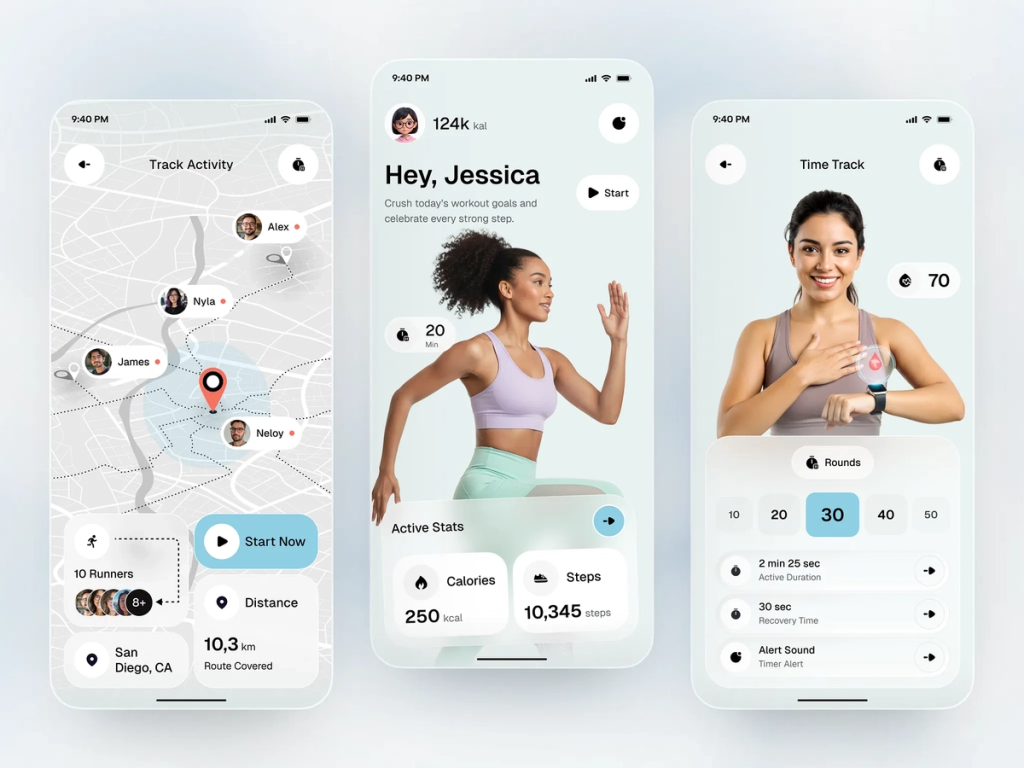
image by Imran Jakir for Kites Design
Apple Watch, HealthKit & Platform Integrations
We build deep integrations with Apple Watch, HealthKit, and Wear OS. Our team ensures your wearables provide stable and accurate data even during intense real-world workouts.
Background workout tracking
Easy login using a confirmation code
Correct HealthKit permissions and reliable workout data sync
Full support for both companion and standalone watch apps
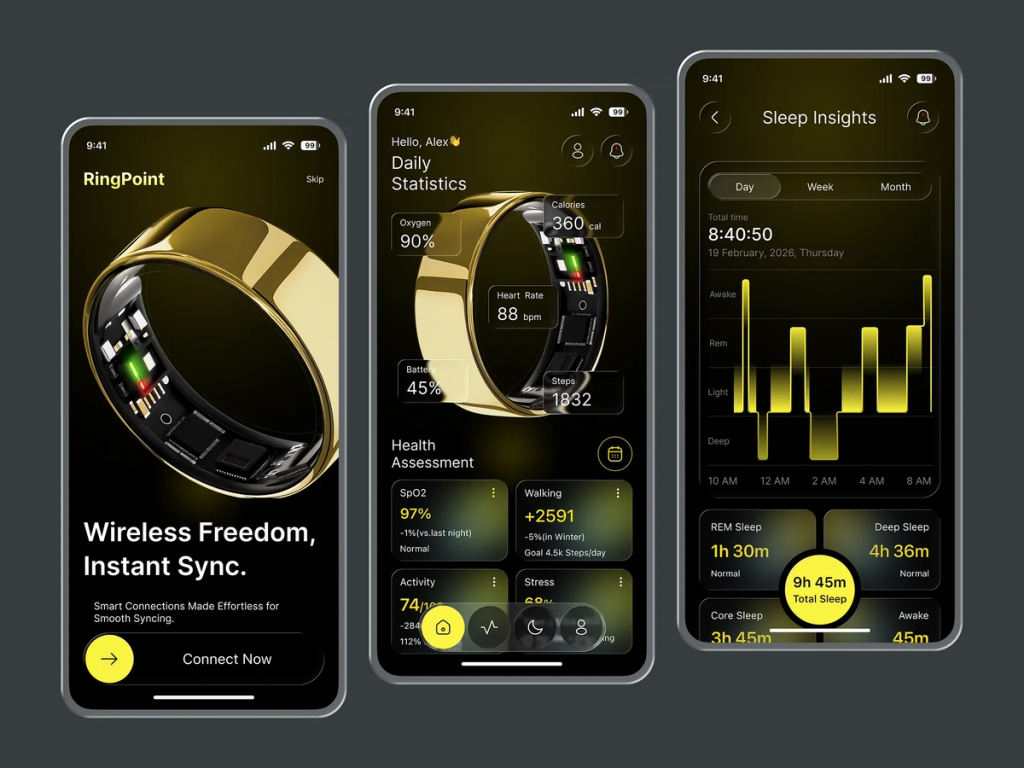
image by Blend wrk UI/UX for Blend wrk
BLE Wearables & Companion App Connectivity
We connect different wearables to your mobile and web apps using Bluetooth Low Energy and hybrid solutions. This allows your product to receive data from a wide range of devices.
Companion apps that work seamlessly with your main fitness app
Stable BLE integration with devices from different manufacturers
Automatic fallback if Bluetooth connection drops
Reliable performance on both iOS and Android
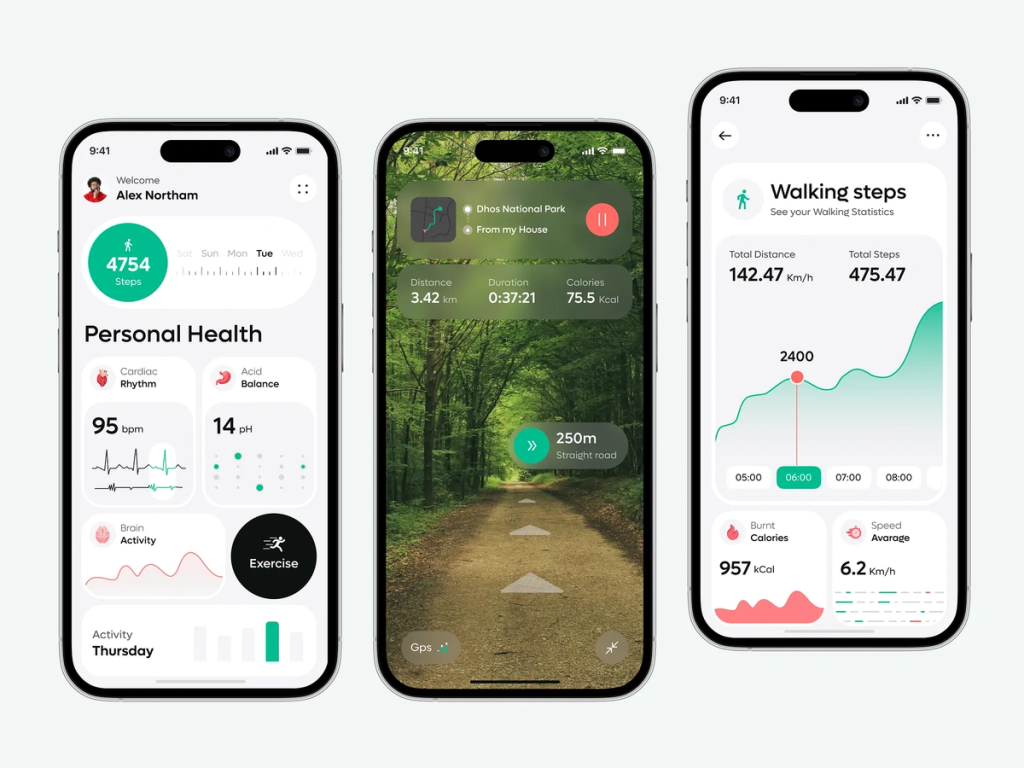
image by Musemind Mobile
Workout Data Sync & Analytics Pipelines
We set up synchronization of workout and health data between wearables, apps, consoles, and backend. This turns raw data from watches into accurate information across all platforms.
Real-time heart rate and session streaming
Two-way sync with Apple Health and Google Health Connect
Offline-first logic with smart conflict resolution
Analytics pipeline for workout insights and progress tracking
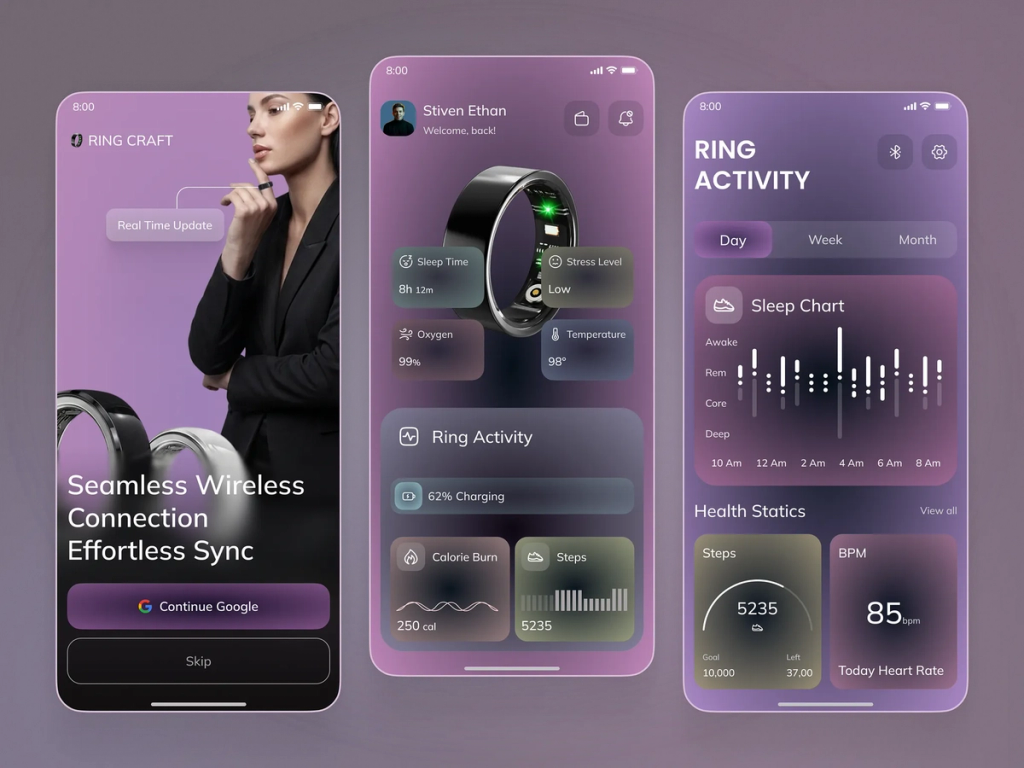
image by NexUX Mobile App
Reliability Testing & Sync Troubleshooting
We test integrations not only on simulators but on real devices under realistic conditions. This helps us catch and fix problems before your users face them.
Testing on actual Apple Watches with different battery levels and screen states
Simulating weak internet, background restrictions, and low power mode
Fixing dropped sessions and missing health data
Finding and resolving platform-specific issues
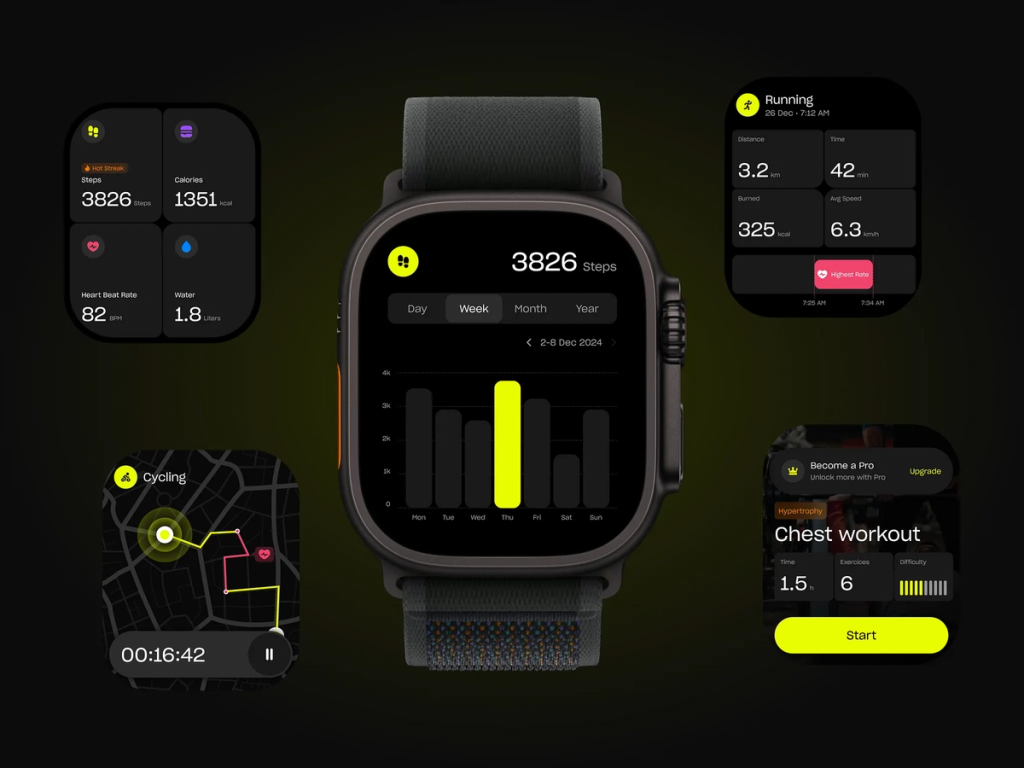
image by Aurélien Salomon UX
Maintenance & Long-term Support
We keep your wearable integration stable as platforms and regulations change. This includes regular updates and proactive fixes when Apple or Google release new versions.
Adapting to new watchOS and iOS releases
Updating for changes in HealthKit and background rules
Maintaining GDPR and health data compliance
Optimizing for new Apple Watch models and features
Challenges We Solve in Wearable Integration
Working with wearables is much more complicated than it looks from the outside. There are a lot of hidden limitations on Apple Watch and Wear OS – from background execution and login flows to real device behavior that you simply don’t see on simulators.

Background Sync That Breaks Under Platform Rules
Apple Watch and Wear OS quickly kill background processes. Native background workout sessions and well-crafted push notifications keep heart rate and session data flowing even when the screen is off or the app is suspended.
Workout Start Flows That Have to Stay User-Initiated
Most platforms require the user to explicitly start a workout. Notification triggers allow the user to begin syncing with one tap – without starting sessions automatically.
Dropped Sessions and Lost Health Data
Unstable connection or random disconnections often lead to lost workout data. Offline buffering, conflict resolution, and delayed sync ensure nothing important gets lost – especially relevant for apps under EU health data rules.
Complex Login Flows Between Devices
Automatic Keychain login sounds convenient but usually creates bugs and QA headaches. The solution is a more stable flow: the user logs in on iPhone and confirms with a code on the Watch.
Inconsistent Behavior Across Devices and Platforms
iOS and watchOS often handle the same things differently, and Android varies a lot depending on the manufacturer. Unified logic on the backend combined with careful adaptation to each platform’s quirks handles notification mirroring and permission differences.
Real Device Limitations vs Simulator
Simulators hide the real issues – battery drain, Wi-Fi drops, Always-On Display behavior, and low power mode. Extensive testing on actual Apple Watches helps catch problems that only appear in real conditions.
Rate Limits, Retries, and Delayed Sync
Apple Health, Health Connect, and services like Strava have strict rate limits. Queuing systems, Cloud Tasks, and smart retry logic keep everything within limits without flooding the user’s device or losing data.
Our Recent Projects
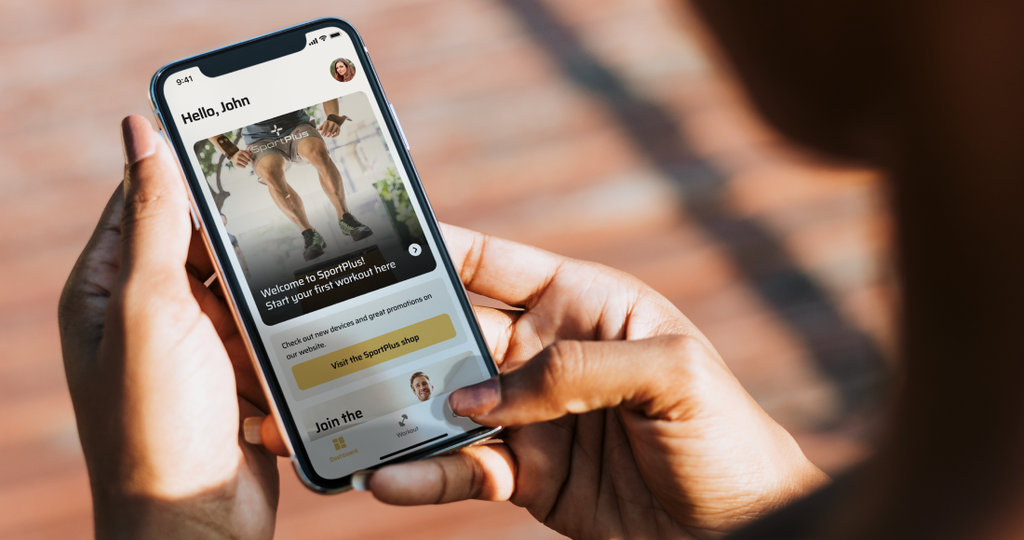
BLE-Connected Companion App for Multi-Device Fitness Equipment
SportPlus is a fitness equipment company for which we built a mobile application that reliably connects to the brand’s machines using multiple BLE protocols. The app delivers personalized workout programs, real-time progress tracking, and seamless intensity adjustments.
View case study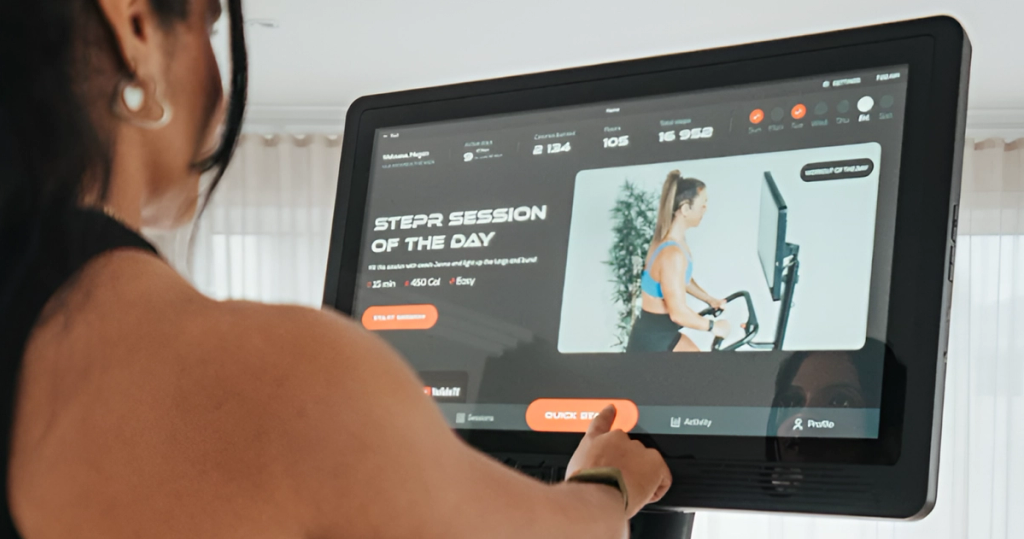
Android Console App for Stair-Climbing Machine
STEPR is a manufacturer of stair-climbing machines. We developed a custom console app that acts as the core digital interface – controlling workouts, displaying real-time metrics, and combining guided training with integrated entertainment like Netflix and YouTube.
View case study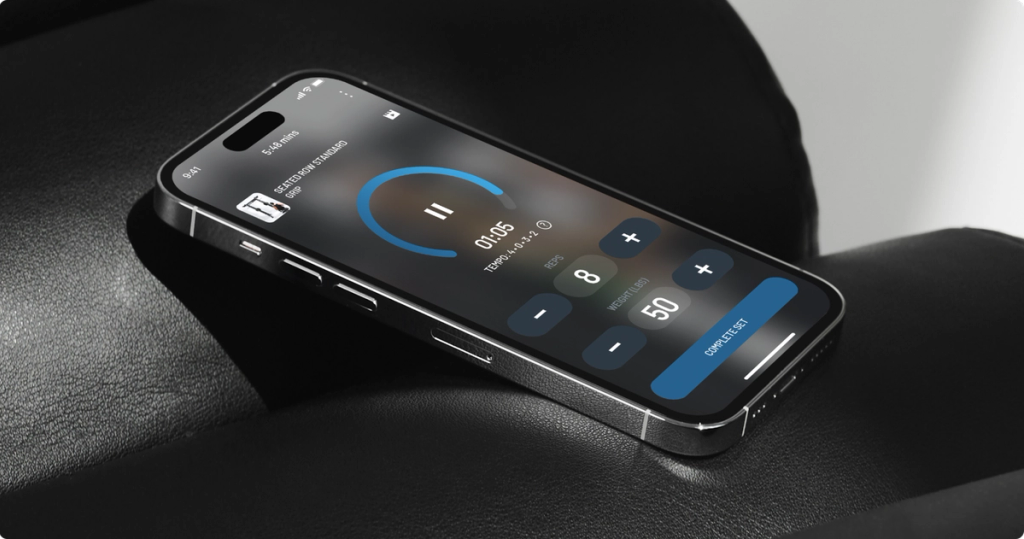
Companion App for Training Equipment
Force USA is a leading manufacturer of functional training equipment that operates in over 25 countries across the globe. As part of our fitness app development services, we created a companion fitness app that transforms their equipment into a digital training platform, helping users set goals, stick to personalized training plans, and track progress with guided workouts and video content.
View case study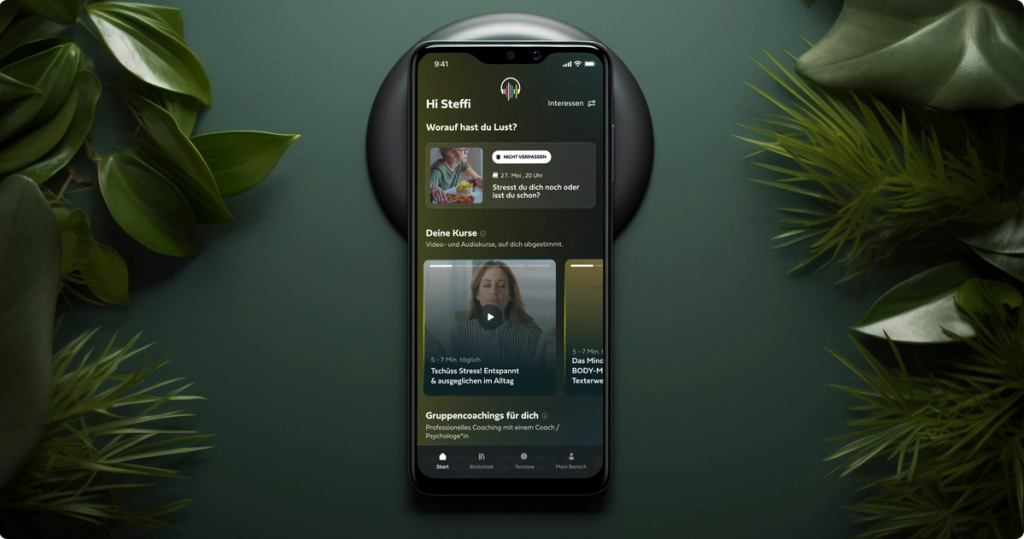
Mental Wellbeing Platform for Corporate Users
Mindance is a mental wellness platform used by more than 1400 companies in various industries. We helped create and scale a B2B2C mobile and web platform that offers over 1,000 interactive courses, exercises, and podcasts in multiple languages.
View case study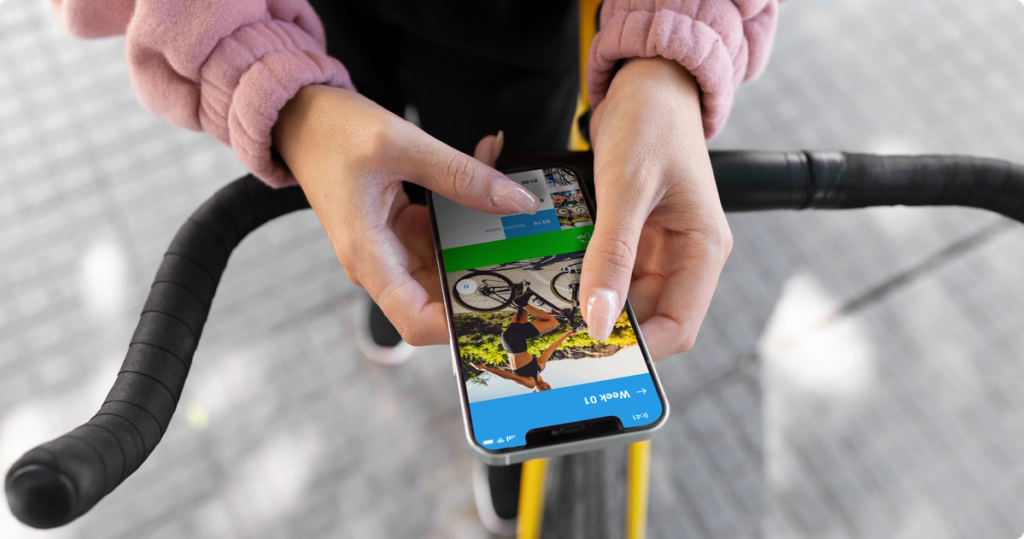
Voice-Guided Fitness & Wellness App
FitTracks is a cross-platform fitness app with voice instructions for workouts. This app is officially recognized by the German government as a preventive health course.
View case studyTestimonials


"I had meetings with 30 different agencies and the team at Stormotion gave me the most confidence to go forward. With them you feel like you've got a kind, knowledgable & conscientious team behind you. So I was 100% sure that they're going to be able to deliver our project!"


"Stormotion has really delivered on their promises. They’ve been very transparent about their progress, flexible in reacting to changes, and solution-focused in overcoming challenges. If they didn’t know something, they would find out, which gave us great confidence in their ability to go the extra mile."


"We originally got in touch with Stormotion from our original app developer. And very soon we found real value in choosing Stormotion, because they previously had real valuable experience on the field – digital apps working in the realm of EV charging. So, it was really a no-brainer for us to to go with them."


"If you're thinking of going to Stormotion, you're going to have a very easy team to talk to, to communicate with, to understand what you want to do. They will tell you if you're barking up the wrong tree and are going to waste your time and money. I'd say "give it a go!" and I thoroughly recommend Stormotion."


"Trust Stormotion. Work with them on your road map, on your technical debt. Also, expect feedback because the team is eager to do this. It's what I value and, I think, many startups value."


"Given a tough budget and a lack of knowledge in our own engineering team, we quickly came to Stormotion. We had already worked together on previous projects, and I knew that, based on React Native, we could have one engineer responsible for it. That was just amazing because I could really focus on our customer side, knowing that the mobile application for the testers was in very good hands."


"I highly recommend Stormotion as a service provider for app development. They're young, flexible, dynamic, creative and very fast. The cost of planning and implementation is also reasonable. As they use "pay as you go", have a good plan first – then the result also will be satisfactory."


"The Stormotion team quickly became our team for everything Native app-related. It would be hard to name all the things that we built over the many years we worked together, but overall, I think we had a good partner who was able to adapt the way we worked, and the way they worked. So that we could ultimately build a product that had the quality that we wanted and with the speed that we wanted."


"Working with Stormotion was a blast! The Project Managers, and especially Alex, are always there for you when you need them to go the extra mile. And it's very easy to communicate with them. Whether it's something urgent or whether it's a bigger task, like building the structure of the architecture, I always felt like I was treated very well. Stormotion delivered a great app experience from day one."
Technologies
Mobile & Wearable Apps
Health & Wearables Platforms
Backend & Cloud

React Native

Swift

Kotlin


Our Collaboration Models
Pre-Project
Discovery Stage
Planing
Agile Development
UX-Prototyping
Design
Development
QA & Testing
Transition
Maintenance
Handover
Next Iteration
You get full ownership of the finished wearable integration. We take care of the entire technical side – from architecture and development to testing, launch, and ongoing support.
Depending on where you are in the project, we can help with:
- Feasibility assessment and defining the scope of the wearable integration
- Architecture design and technical validation
- Implementation for Apple Watch, HealthKit, and Wear OS
- Testing on real devices and troubleshooting sync issues
- Health data compliance and handling platform updates
- Post-launch support and continuous optimization
Our Development Process

FAQ
Do you work only with Apple Watch, or also with other wearables?
We work with Apple Watch as our strongest expertise, but we also integrate Wear OS devices, Google Health Connect, HealthKit and various BLE wearables. The approach depends on your target devices and use cases.
How do you ensure heart rate and workout data remains accurate even when the Apple Watch screen is off?
We use native Apple background workout sessions combined with smart push notification strategies. This allows continuous data tracking even when the screen goes dark or the app is suspended.
Can you integrate wearables into an existing app, or do we need to build everything from scratch?
We can work with both scenarios. Whether you need to add wearable functionality to an existing fitness app or build a new wearable-connected product – we adapt to your current architecture and team.
How do you handle testing, given that simulators don’t reflect real-world conditions?
We perform the majority of testing on real Apple Watch devices. This helps us identify and fix issues related to battery drain, Wi-Fi behavior, low power mode, and background execution that simulators cannot show.
What happens after launch? Do you provide ongoing support for platform updates?
Yes. We offer long-term maintenance and support, including adaptation to new watchOS/iOS versions, HealthKit policy changes, and regulatory updates (such as GDPR and health data requirements).
How long does it usually take to integrate Apple Watch or Wear OS into a fitness app?
It depends on the scope. A typical integration project (from discovery to launch) takes 10–16 weeks. We can give you a more accurate timeline after the Discovery & Audit phase.

Jakob Hals
Director of Product Technology @ Norsk Lithium
"Stormotion stood out because of their focus on Bluetooth-connected products. They weren't just app developers, they understood the unique challenges of building mobile app experience for hardware products. Their collaborative approach, technical expertise, and ability to quickly grasp the vision of the North Guardian app made it clear that they were the right fit."